Print and Digital Advertising: Why the Future Belongs to Both

Explore products and signage solutions featured in this guide:
Digital advertising is becoming more targeted, automated and personalised, but that does not make print obsolete. The stronger opportunity is to connect both: use digital channels to find and learn from the audience, then use print to create a visible, credible brand experience in the real world.
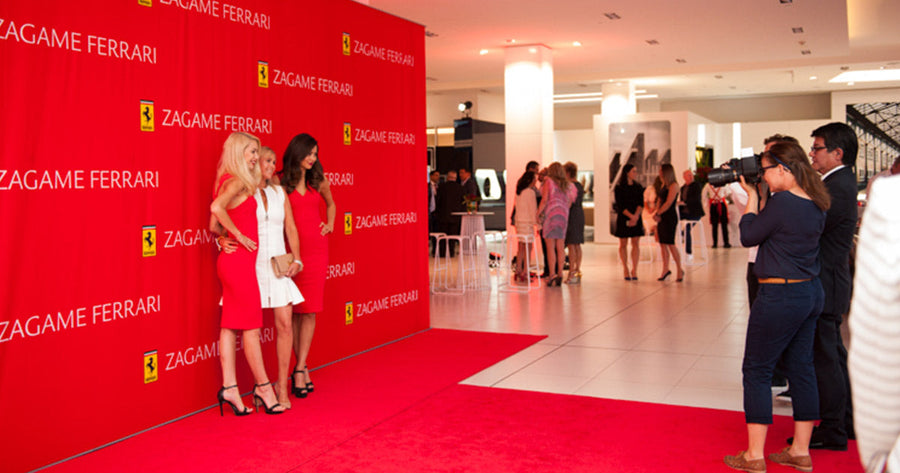
Digital platforms can test messages and measure actions such as clicks, enquiries and purchases. Printed advertising creates something people can encounter physically: a banner at an event, a branded backdrop in photographs, a sign outside a venue or a display inside a retail space.
The investment signals point towards integration rather than replacement. IAB Australia reported that Australian internet advertising expenditure reached $18.4 billion in 2025. At the same time, Nielsen’s global marketing survey found renewed investment in traditional channels—but only 32% of respondents measured digital and traditional media holistically.
Digital Finds the Audience. Print Owns the Physical Moment.
A paid search advertisement can reach somebody actively looking for signage. LinkedIn can reach marketing managers, event coordinators and procurement teams. Social campaigns can build awareness around a launch, customer story or finished project. Yet those digital touchpoints are often only the beginning.
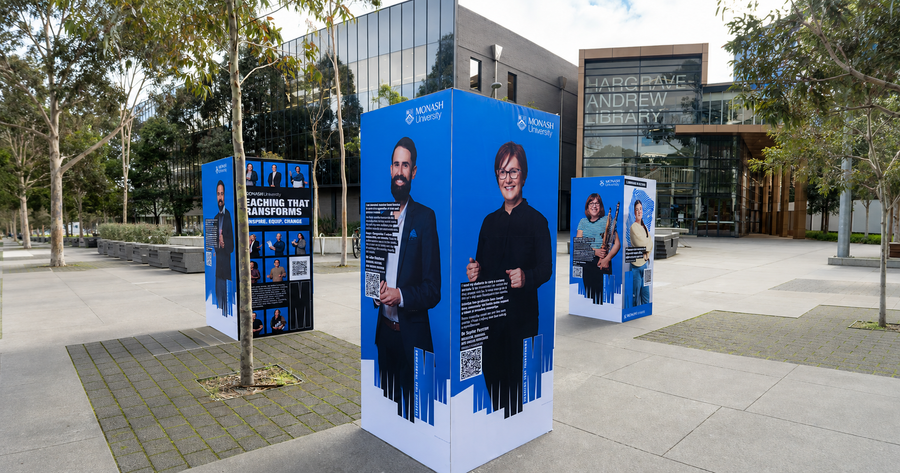
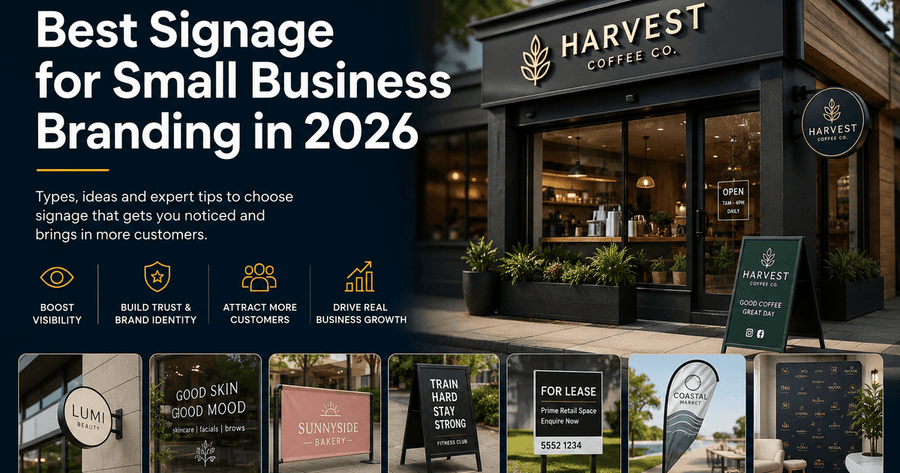
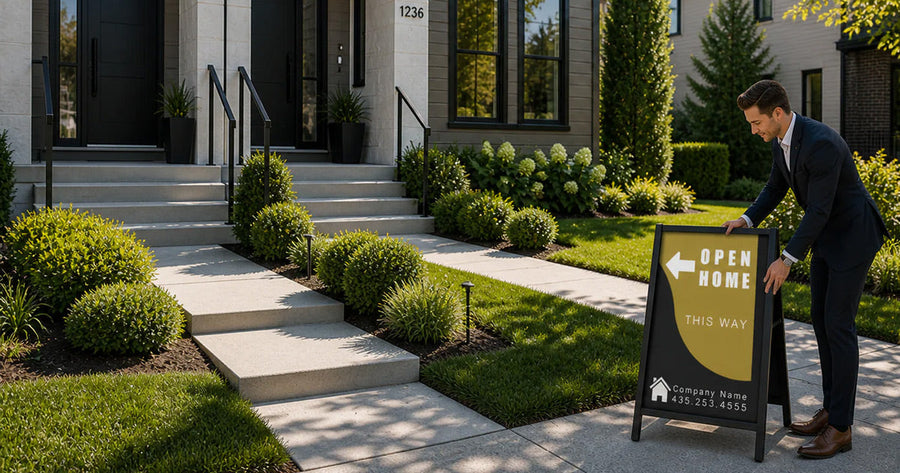
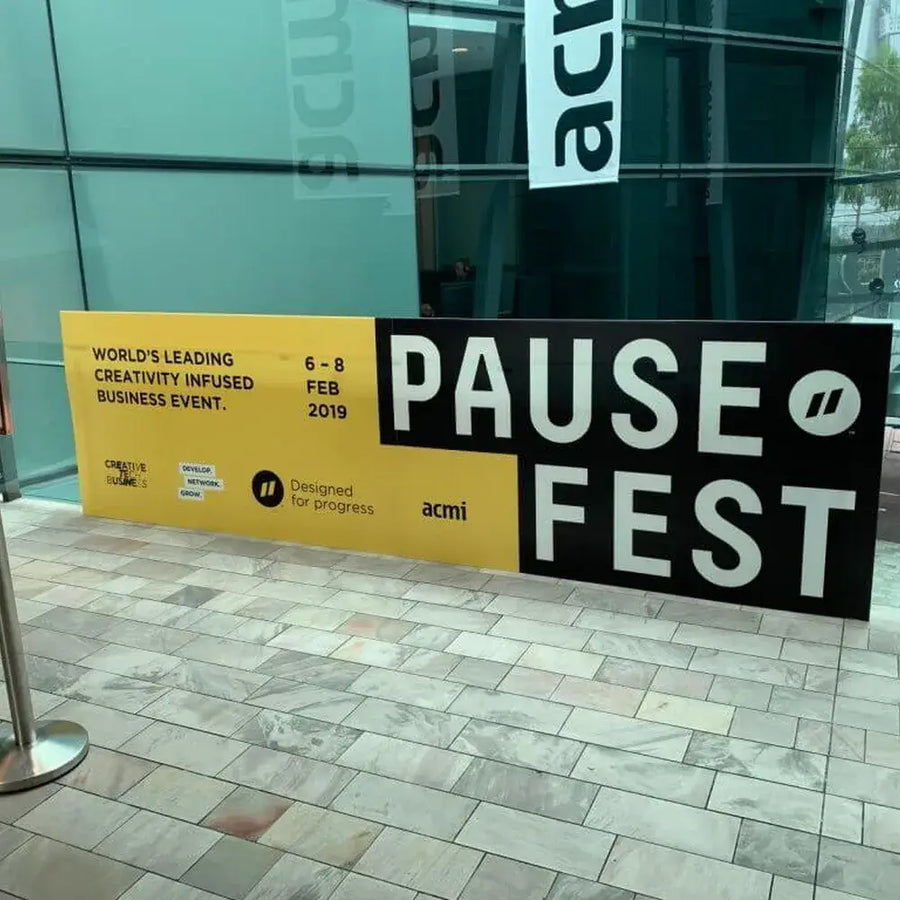
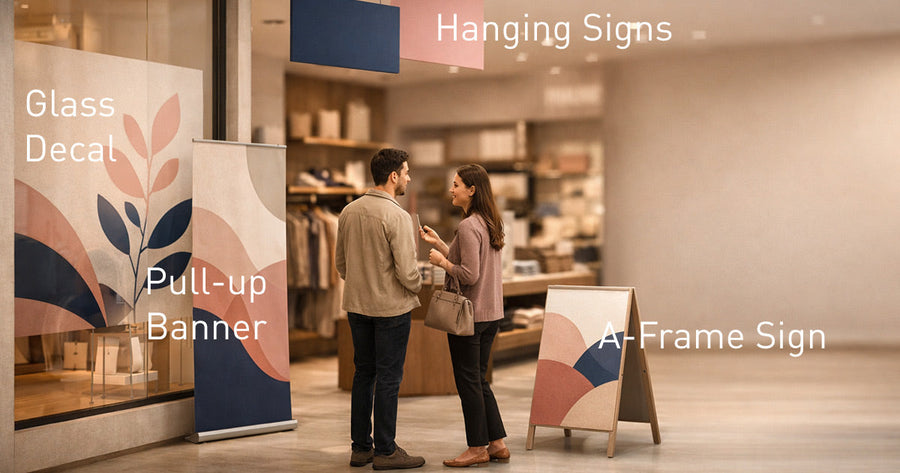
When the audience arrives at an exhibition, launch, store, school, sporting venue or corporate event, physical branding takes over. Products such as custom pull-up banners, media walls and event backdrops, banners and business signage give a campaign scale, location and a physical presence.
Find and learn
Target relevant audiences, test creative, capture intent and measure actions across search, social, video and email.
Be seen and remembered
Create recognition at the location where people arrive, gather, compare, photograph, enquire or make a decision.
Move between both
Use consistent creative and a clear next step so the audience can move naturally from a screen to a place—and back again.
This is why print advertising remains relevant in the digital age. It does not need to imitate a digital advertisement. Its value is that it can make a campaign tangible at the exact moment and location where the brand needs to show up.
How Print and Digital Advertising Work Together
The strongest integrated advertising campaigns are not divided into an “online part” and an “offline part”. They use one clear idea across multiple touchpoints, with each channel leading naturally to the next.
- Create discovery Search, social, video or professional targeting introduces the campaign to a relevant audience.
- Build understanding A focused landing page explains the offer and gives people a clear way to enquire, register or buy.
- Own the location Signs, banners, flags and portable displays carry the same campaign into the physical environment.
- Connect the response A relevant QR code, short URL, offer or enquiry page provides an easy next step and supports attribution.
- Extend the content Photography, video and customer posts turn the installation into content for social, email and future campaigns.
A Printed Backdrop Can Become a Digital Content Asset
For Melbourne Theatre Company’s Uncle Vanya premiere, Evan Evans joined two portable EEZY Wall display systems to create a six-metre event backdrop. Inside the venue, the printed wall established an immediate branded setting. In event photography and online coverage, the same installation continued to represent the production beyond the room.


The display did not compete with photography or social media; it gave those channels a stronger and more consistent visual asset. For event-led campaigns, the same principle can apply across the wider gala, event and conference signage journey—from arrival and wayfinding to stages, photo moments and post-event content.
What Could Print Advertising Look Like by 2031?
No one can predict every platform or format that will exist by 2031, but the direction is becoming clearer. AI is already helping advertising platforms recommend audiences, write copy and generate creative variations. Google reported that advertisers generated almost 70 million creative assets with Gemini in AI Max and Performance Max during the final quarter of 2025.
As those systems develop, the future of print advertising is likely to be more closely connected to the data, creative and measurement systems surrounding it.
Campaign results will guide printed messages
Digital testing can reveal which message resonates. Those insights can inform more relevant banners, display walls or signs for different locations, audiences and events.
One idea will be adapted across more channels
A core concept may become search creative, social video, banners, flags and large-format signage. Faster adaptation will make consistent brand and print-ready artwork even more important.
Physical displays will be easier to measure
QR codes, unique landing pages, campaign offers and dedicated enquiry paths can connect a physical display to reporting without turning every sign into a crowded webpage.
Graphics will change while display systems stay in use
Portable frames and modular systems can support repeated campaigns while their graphics are refreshed, reducing unnecessary replacement of complete display systems.
Physical brand experiences may matter more
As audiences encounter more automated digital content, a professionally produced installation at a real event, venue or workplace can provide a tangible sense of place—plus something worth photographing, filming and sharing.
Planning an Integrated Print and Digital Campaign
The technology may change, but the starting point remains straightforward: understand the audience, define the physical moment and give every channel a clear job.
- Set the objective. Decide whether the priority is awareness, attendance, enquiries, sales or brand visibility.
- Identify the physical moment. Map where the audience will encounter the brand away from a screen.
- Design as one system. Keep the central idea consistent while adapting detail and scale to each format.
- Create a useful next step. Add a relevant URL, QR code, offer or contact point where it genuinely helps.
- Plan for content capture. Consider viewing distance, camera angles, lighting and how the installation will appear in photographs or video.
- Measure the combined result. Review enquiries, conversions, engagement and content performance across the whole campaign.
If the campaign is centred on a launch, exhibition or activation, our guide to event marketing ideas that drive engagement offers more practical ways to connect pre-event promotion, on-site signage and post-event follow-up.
The future is not print or digital. It is a connected system in which digital advertising finds and learns from the audience, while print creates a visible, credible and memorable presence in the real world.
Bring Your Next Campaign Into the Real World
Evan Evans can help turn one campaign idea into professionally produced signage, banners and portable displays for events, retail spaces, workplaces and organisations across Australia.
Ordering regularly or producing campaigns for clients? Explore the Evan Evans Trade Program for dedicated support and trade benefits.
Frequently Asked Questions
How can printed advertising be measured?
Use campaign-specific QR codes, short URLs, landing pages, enquiry forms, promotional codes or contact details. Also review assisted conversions, event engagement, content captured and how often the display is reused—not just one response metric.
Will AI replace printed advertising?
AI is more likely to change how campaigns are researched, adapted and produced. Printed advertising still performs a different job: creating physical visibility and a real-world brand presence. Human review remains important for accuracy, brand consistency and production requirements.
Which printed products work well with digital campaigns?
Pull-up banners, media walls, event backdrops, custom banners, flags and business signage can all support integrated campaigns. The right choice depends on the location, viewing distance, available space, campaign duration and the action you want people to take.
How do QR codes connect print and digital advertising?
A QR code can move an interested viewer from a physical display to a relevant landing page, registration form, offer or enquiry path. It should be large enough to scan, tested before production and paired with a clear reason to use it.
What should be planned first in an integrated campaign?
Start with the audience and objective, then map the journey between digital touchpoints and physical locations. Once each channel has a clear role, the creative can be adapted for the right format without losing the central campaign idea.